
September 2025 – Good Good Flood

Don’t Wait Until the Storm Is Coming to Buy Flood Insurance

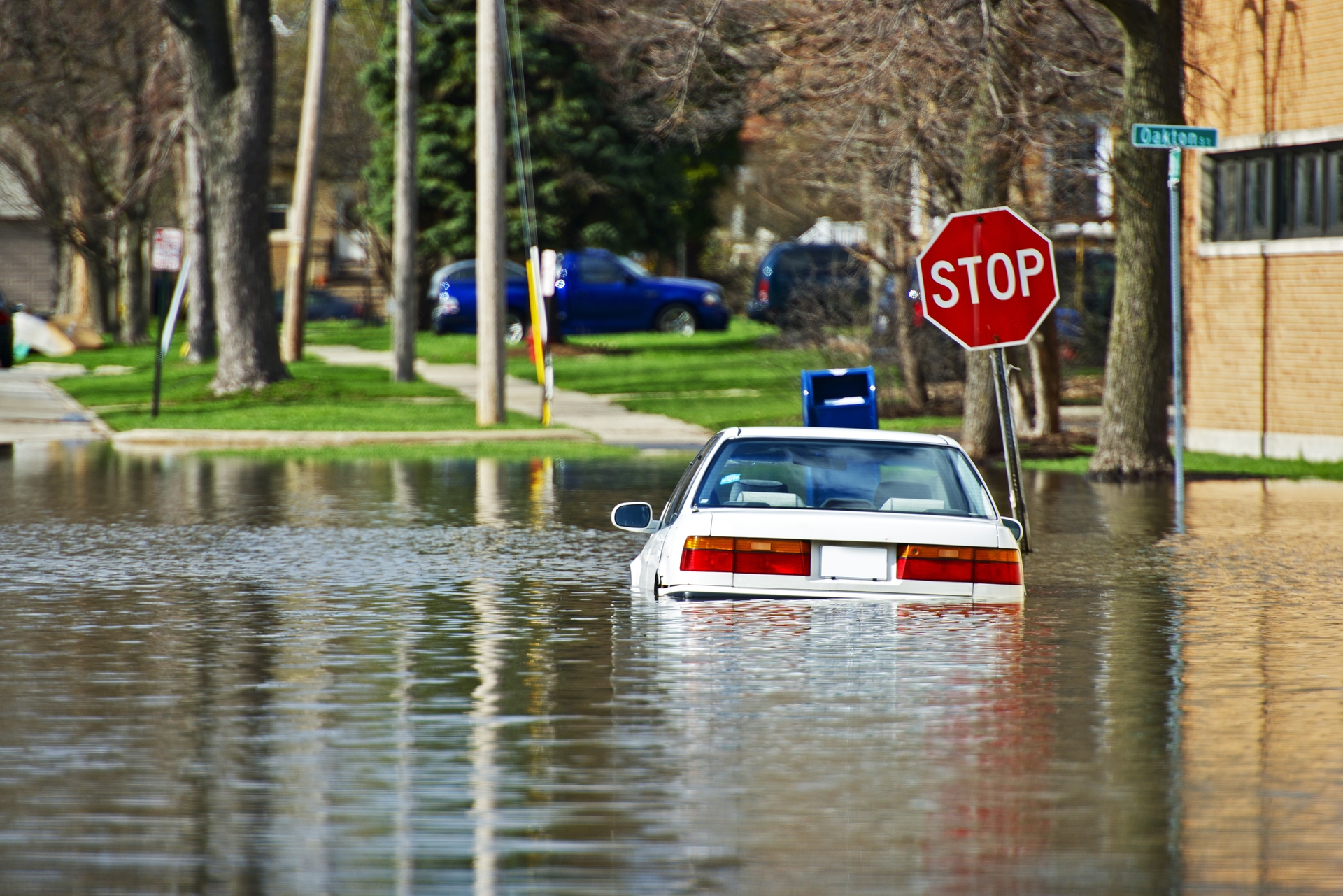
Abandoned cars submerged on a flooded residential street at sunset after a severe storm.
Severe flooding can happen quickly, leaving homes and cars underwater — a reminder why flood insurance must be in place before the storm

When a storm is already on the radar, it’s usually too late to buy flood insurance. This past weekend, I received two quote requests from homeowners in the Carolinas. Unfortunately, because a storm was actively tracking toward their area, carriers had already placed a moratorium on writing new policies. That means no matter how badly those families wanted coverage, it wasn’t available to them.

I hate seeing this happen—because it’s preventable.


What Is a Flood Insurance Moratorium?

When severe weather is forecasted to impact a state or county, most flood insurance carriers issue a moratorium. This is a temporary suspension of new policies and changes to existing ones. The goal is to prevent last-minute purchases when a disaster is already imminent.

Think of it like trying to buy auto insurance after you’ve already crashed your car—it’s just not possible.


Homeowners Insurance Does Not Cover Flooding

One of the biggest misconceptions I hear is that a standard homeowners policy will cover flooding. It does not. Homeowners insurance typically covers fire, theft, and certain types of water damage (like a burst pipe), but not flood damage caused by rising water.

The only way to protect yourself is with a separate flood insurance policy—through the National Flood Insurance Program (NFIP) or a private carrier.


Why Waiting Costs You

Flood insurance isn’t like other coverages where you can buy it on the spot. With the NFIP, there’s a 30-day waiting period before coverage begins. Many private carriers also enforce waiting periods, or they shut down new business completely when storms are approaching.

Waiting until a hurricane, tropical storm, or heavy rainfall event is named means you’ll be locked out when you need protection the most.


The Smarter Move: Buy Before the Forecast

The best time to buy flood insurance is before hurricane season—or better yet, right now. By locking in coverage early, you guarantee protection no matter when the storm hits.

  • Peace of mind: You don’t have to scramble when a storm is announced.

  • Property protection: Flood damage is expensive, and it’s excluded from homeowners insurance.

  • Availability: You beat the moratoriums that make last-minute purchases impossible.


Final Thought

The Carolina families I spoke with this weekend thought they had time—but the window had already closed. Please don’t wait until a storm is bearing down on your community to think about flood insurance.

At Good Good Flood, our mission is to make sure you’re covered before the unexpected happens. If you own a home, a business, or even just rent, now is the time to act.

👉 Get your quote today and secure coverage before it’s too late.

Flood Insurance Friday: Breaking the Silence on Private Flood Insurance

Modern digital flood zone map with highlighted risk areas, symbolizing private flood insurance options beyond FEMA

When most people hear “flood insurance,” they think FEMA and the National Flood Insurance Program (NFIP). And to be fair, that’s what the industry has been pushing for decades. But here’s the truth: FEMA isn’t the only game in town anymore.

For years, agents and homeowners alike have defaulted to NFIP policies because they didn’t realize they had options. Today, a growing number of private insurance carriers are offering flood coverage that can often be cheaper, more flexible, and better suited to individual homeowners. And yet, hardly anyone in our industry is talking about it. Let’s change that.


Why private flood insurance is the industry’s best-kept secret

  1. Pricing flexibility
    NFIP rates are standardized and often based on broad flood maps. Private insurers use advanced risk modeling, which means your premium may be lower if your property’s actual risk is less than the map suggests.

  2. Coverage enhancements

    • Higher limits on building and contents

    • Additional living expenses if you’re displaced

    • Replacement cost coverage on personal property (instead of actual cash value only)

  3. Faster adaptability
    FEMA’s NFIP program is tied to Congressional renewals (with the constant risk of lapses). Private insurers aren’t. That stability matters for lenders, buyers, and realtors trying to close deals.


Why people don’t know about it

  • Old habits in the industry: Many agents were trained on “NFIP first” and simply haven’t explored alternatives.

  • Marketing gap: FEMA has brand recognition — private carriers don’t.

  • Misinformation: Homeowners sometimes believe private carriers “won’t pay out,” but the reality is many are backed by A-rated reinsurers with strong claims history.


Who benefits most from exploring private flood options?

  • Homebuyers at closing: Private markets often issue policies faster, which helps prevent delays.

  • Homeowners in “gray areas”: If you live near, but not directly in, a high-risk flood zone, private insurance can reflect that nuance.

  • People with higher-value homes: NFIP caps building coverage at $250,000 and contents at $100,000. Private insurers can go much higher.


The bottom line

For decades, flood insurance was synonymous with FEMA. But the landscape has changed, and private carriers are here to stay. The tragedy is, too few people even know they have the option.

That’s why we talk about it — so homeowners, lenders, and realtors can make informed choices instead of defaulting to the only name they’ve ever heard.

Flood insurance that’s so good it’s good-good shouldn’t be a secret.

Industry Update: What a Potential Government Shutdown Means for Flood Insurance

U.S. Capitol building representing government shutdown impacting National Flood Insurance Program.
A potential government shutdown could pause NFIP flood insurance, impacting homebuyers and lenders nationwide

The risk of a U.S. government shutdown on September 30, 2025, has increased after recent developments in Congress. The House of Representatives narrowly passed a short-term funding bill to extend government operations through November 21, but the Senate rejected competing proposals. With the House scheduled to recess until after the funding deadline, the likelihood of a shutdown has grown.

This matters for homeowners, realtors, and lenders because during a shutdown, the National Flood Insurance Program (NFIP) will be unable to issue new policies or renew existing ones. That could disrupt real estate closings across the country where flood insurance is mandatory.


What This Means for You

  • Homebuyers: If you are under contract in a flood zone, your closing could be delayed if you rely solely on NFIP coverage.

  • Realtors and Lenders: Transactions in process may stall without proof of flood insurance, creating last-minute complications.

  • Current Policyholders: If your renewal date falls during a shutdown, you could face a lapse in coverage.


How Good Good Flood Protects You

At Good Good Flood, we work with more than 15 private flood carriers that will continue to issue policies and support closings regardless of a government shutdown. This means:

  • Home closings can move forward without interruption.

  • Buyers and sellers avoid costly delays.

  • Realtors and lenders can rely on coverage being in place.

In short, while NFIP may pause, your flood insurance coverage doesn’t have to.


The Next Step

Government funding debates are outside our control, but protecting your home and keeping real estate deals on track is not. By working with an agency that has access to both NFIP and private flood insurance carriers, you can ensure coverage continues in any scenario.

If you have an upcoming closing or renewal, reach out to Good Good Flood today and let us make sure your coverage stays in place—shutdown or not.

🎉 Flood Insurance Friday: Mortgage Rates Are Dropping — Don’t Let Flood Insurance Slip Through the Cracks

Happy new homeowners holding keys celebrating lower mortgage rates and flood insurance protection.
Lower mortgage rates are exciting—but smart flood insurance keeps the celebration stress-free

Big news this week: mortgage rates dipped again! The average 30-year fixed fell to about 6.26%, and 15-year rates dropped too. That’s exciting for new homebuyers, refinancing homeowners, realtors, and lenders. Lower rates mean more affordability, more activity in the housing market, and more opportunities all around.

But here’s the thing: while financing costs are going down, flood risk isn’t.


📉 Why This Week’s Rate Drop Matters for Flood Insurance

🏡 1. More Buyers Enter the Market

With rates easing, more people are ready to buy. Some will be shopping in neighborhoods they couldn’t touch a year ago—including flood-prone areas. Realtors and lenders need to flag flood insurance early so clients aren’t blindsided at closing.

💵 2. Refinancing = Perfect Time to Review Coverage

If you’re refinancing, it’s not just a chance to lower your monthly payment. It’s also the best time to re-evaluate your flood insurance. Does your policy still match your home’s value? Has your flood risk changed?

🌊 3. Lower Payments Don’t Lower Disaster Costs

Sure, you might save a couple hundred dollars a month with your new mortgage rate. But one flood event can wipe out years of savings in a single weekend. Flood insurance keeps your finances protected no matter what Mother Nature throws at you.

🤝 4. Realtors & Lenders Can Stand Out

Want to win trust with clients? Make flood insurance part of the conversation. Buyers appreciate the professionals who prepare them for all the costs of homeownership—not just the mortgage.


🚀 The Friday Takeaway

This week’s falling mortgage rates are a win for buyers and sellers—but don’t let that excitement overshadow the importance of flood insurance. Whether you’re house-hunting, refinancing, or closing loans for clients, flood protection belongs on the checklist.

At Good Good Flood, we shop 15+ carriers to make sure every client gets the right coverage at the right price. Because saving money on your mortgage is good—but saving your home from flood risk is good-good.


🎉 Bottom Line

Lower mortgage rates + smart flood coverage = a win-win. This Friday, celebrate the good news in the market while making sure your clients, your business, and your home stay protected.

💪 Motivation Monday: Weathering the Storms and Building Stronger

Lighthouse with waves crashing symbolizing strength and guidance through storms.
Every storm passes. A new week brings fresh opportunities

Happy Monday! A new week means new opportunities. But let’s be real—life, business, and even homeownership aren’t always sunny skies. Sometimes storms come—literally and figuratively.

The good news? How you prepare makes all the difference.


🌊 Lesson From the Storms

Think about Houston’s sudden floods or Charleston’s rising tides. Homeowners there know storms can show up uninvited. But when they’re prepared with the right coverage, the setback is temporary—not permanent.

👉 The same goes for business and life. Setbacks are guaranteed. Preparedness and mindset are what determine whether you bounce back or stay stuck.


🔑 Motivation for Your Monday

  • Don’t fear challenges—plan for them.

  • Invest in preparation, not panic.

  • Protect your home, your business, and your mindset so you can thrive, not just survive.


🚀 This Week’s Challenge

Ask yourself: What’s one storm I can prepare for this week?

  • Maybe it’s a tough conversation you’ve been avoiding.

  • Maybe it’s setting aside savings for a rainy day.

  • Or maybe it’s finally reviewing your insurance (yep, I said it 😅).


 Bottom Line

Strong people and smart homeowners have this in common: they prepare for the unexpected. This Monday, choose preparation over panic, and strength over stress.

Here’s to a week of resilience, confidence, and progress. You’ve got this! 🙌

🎉 Flood Insurance Friday: Surprising Truths About Flooding in Miami-Dade County & California

“Palm tree reflected in floodwater symbolizing Miami-Dade and California flood risk
Even paradise can flood—protect your home with the right coverage.

It’s Friday, so let’s keep things light—but also real. When most people think of flooding, they picture hurricanes in Florida or maybe the occasional storm surge. But here’s the kicker: Miami-Dade County and California both face major flood risks, and many homeowners don’t even realize it.

So grab a cafecito ☕ if you’re in Miami—or an iced latte if you’re in Cali—and let’s talk about why flood insurance matters in these places (without the boring lecture).


🌴 Miami-Dade County: Sunshine, Hurricanes, and… Floods Everywhere

Miami-Dade is famous for its beaches, nightlife, and endless summer vibe. But beneath the sunshine, rising sea levels and heavy rains are putting thousands of homes at risk.

  • Streets flood even on sunny days thanks to “king tides.”

  • Hurricane season brings heavy downpours that overwhelm storm drains.

  • Many homeowners don’t realize their standard home insurance won’t cover flood damage.

👉 Translation: Owning a home in Miami-Dade without flood insurance is like cruising down Ocean Drive without car insurance—it’s risky business.


🌊 California: Not Just About Earthquakes & Wildfires

When people think of California risks, floods don’t usually make the list. But they should.

  • Heavy rains + wildfire burn scars = flash floods and mudflows.

  • Rivers in Northern California can rise dramatically during wet winters.

  • Coastal cities deal with storm surges and rising tides just like Florida.

Fun fact: California has more properties at flood risk than many Gulf Coast states. It just doesn’t make the news as often.


💡 The Friday Lesson

Whether you’re living in Miami-Dade County condos or California coastal homes, floods don’t discriminate. And here’s the fun part: flood insurance doesn’t have to break the bank if you know how to shop smart.

At Good Good Flood, we’ve helped homeowners from Miami-Dade to Malibu save big on their coverage by shopping policies across 15+ carriers.


🎉 Bottom Line: Protect the Weekend Vibes

Flood insurance isn’t just paperwork—it’s peace of mind. And when you know your home is covered, your weekends stay stress-free.

So this Friday, raise a glass 🥂 to saving money, staying protected, and keeping the good times rolling—whether you’re in Miami, LA, or anywhere in between.

Stop Overpaying for Flood Insurance: 6 Smart Ways to Lower Your Premium

Michigan home surrounded by floodwater highlighting need for insurance
Flooded Michigan neighborhood — a reminder why the right coverage matters.

Flood insurance isn’t optional if you live in a flood zone—it’s peace of mind. But that doesn’t mean you should be stuck paying sky-high premiums. The truth is, most homeowners and business owners are overpaying because they don’t know how to properly navigate flood insurance options.

Here are six proven strategies to help you cut costs without sacrificing coverage—whether you live in Florida, Michigan, or anywhere across the U.S.


1. Know Your Flood Zone (Without the Confusion)

Your flood zone plays a huge role in your premium. Most people don’t realize their flood zone may have changed, or that their home could qualify for a different risk category.

The good news? You don’t have to deal with confusing FEMA maps. At Good Good Flood, we’ll look up your property, verify your flood zone, and show you exactly how it affects your insurance. We’ve helped clients in places like Tampa, Orlando, Grand Rapids, and Detroit discover lower-risk designations—sometimes saving hundreds or even thousands a year.


2. Lower Your Risk, Lower Your Premium

Insurance companies reward homes and businesses that take flood-mitigation seriously. Smart upgrades include:

  • Elevating utilities above base flood level

  • Installing flood vents to reduce water pressure

  • Adding flood barriers or re-grading property for better drainage

These improvements can reduce your flood risk and may also qualify you for discounts through FEMA’s Community Rating System (CRS).


3. Only Pay for What You Actually Need

Flood insurance comes in two parts: building coverage (the structure itself) and contents coverage (your belongings).

If you own a smaller home in Michigan’s lake regions or a condo near Florida’s Gulf Coast, you might not need maximum contents coverage. Tailoring your policy to fit your actual needs helps avoid unnecessary costs.


4. Compare NFIP and Private Flood Insurance

Here’s where many property owners miss out: you’re not limited to FEMA’s National Flood Insurance Program (NFIP). Private flood carriers often provide:

  • More flexible coverage limits

  • Replacement cost on contents (something NFIP doesn’t always offer)

  • Competitive rates—sometimes much lower

At Good Good Flood, we shop policies with 15+ private carriers, giving homeowners from Miami to Muskegon access to better options.


5. Adjust Your Deductible Strategically

Raising your deductible can lower your annual premium. The key is balance—pick a deductible that saves you money while still being manageable if a flood occurs.

For example, we’ve seen Michigan lakefront homeowners save significantly by choosing a slightly higher deductible, while still keeping peace of mind intact.


6. Keep Your Policy Current (and Re-shop Annually)

Too many homeowners simply renew year after year without checking for better options. Flood insurance rates shift, carriers update their products, and your property details change over time.

At Good Good Flood, we automatically re-shop every client’s policy at renewal—whether you’re in Florida flood zones or near Michigan’s Great Lakes.


The Bottom Line

Flood insurance is essential—but overpaying is not. By verifying your flood zone, reducing your property risk, customizing your coverage, exploring private carriers, adjusting your deductible, and keeping your policy current, you can protect your property without draining your wallet.

At Good Good Flood, we specialize in helping families and businesses in Florida, Michigan, and nationwide find the right coverage at the right price.

📞 Ready to stop overpaying? Let us run your flood zone lookup and compare policies today—you might be surprised how much you can save.

Extreme Flooding Events Making Headlines

“Flooded home representing flood insurance risk in Florida”

This year has already brought historic floods in Texas, Wisconsin, and across the Southeast, reminding homeowners that flood insurance in Florida, Texas, and beyond is more important than ever.

  • Central Texas (July 2025): Flash floods caused over $1 billion in damage.

  • Milwaukee (August 2025): A “1,000-year storm” dropped more than 10 inches of rain in just 48 hours.

👉 These disasters prove that flood zone changes in 2025 are not the only risk—flooding can strike anywhere, at any time.


Rising Costs and Coverage Gaps

Flood insurance premiums have climbed steadily over the past decade, but the bigger issue is coverage gaps:

  • Nearly 40% of all flood claims come from properties outside FEMA high-risk zones.

  • Many Florida and Gulf Coast homeowners assume they don’t need insurance—until they’re left with tens of thousands in damages.

💡 Tip: Even if you’re outside a “high-risk zone,” flood insurance is often affordable and can protect your financial future.


FEMA Flood Map Updates in 2025

  • Richmond, Virginia: Hundreds of homes were just reclassified into high-risk zones.

  • Harris County, Texas: FEMA maps delayed until 2026, leaving thousands uncertain about insurance requirements.

If you own property in Florida, map updates could mean you’re suddenly required to carry insurance. Checking your flood zone status today is critical.


The Financial Toll of Flooding

Flood damage isn’t just about property loss—it can ruin financial stability. Recent research shows that uninsured flood losses are contributing to higher foreclosure rates and bankruptcies.

For many families, a single flood event could mean the loss of their home and life savings.


What Homeowners Should Do in 2025

  1. Check your FEMA flood zone — don’t assume you’re safe.

  2. Review your coverage options — NFIP and private carriers vary in cost and protection.

  3. Get ahead of map updates — don’t wait until your lender requires coverage.


Final Thought

Floods don’t follow boundaries—and they don’t wait until you’re ready. The best way to protect your home and family is by having a flood insurance policy in place before disaster strikes.

👉 Ready to protect your home? Contact us today for a customized flood insurance quote.