
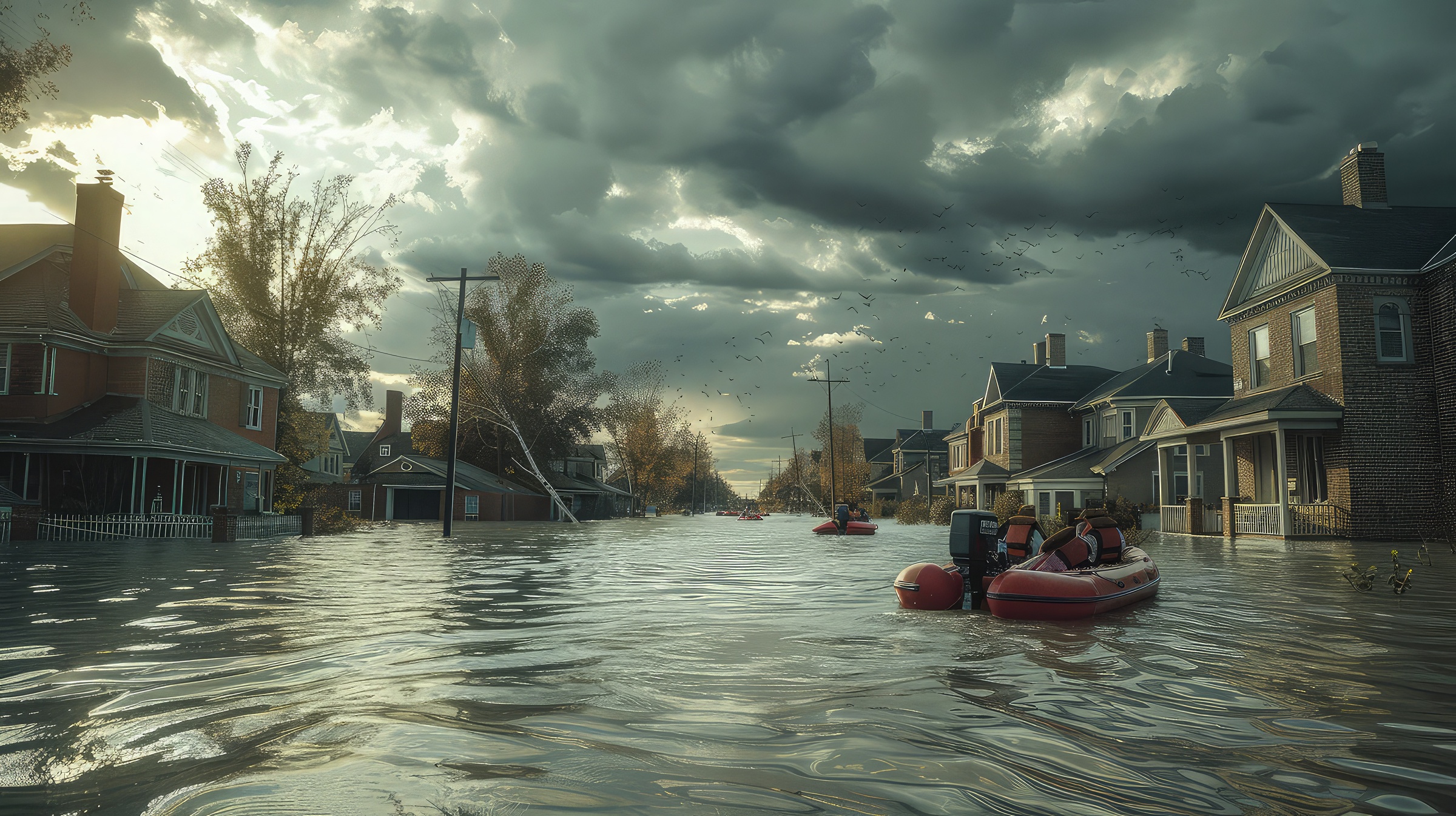
Flood Insurance Friday: Zillow Removes Climate Risk Data — and Why That Harms Homeowners

In a move that’s sparking serious debate across the real estate world, Zillow recently deleted climate risk data — including flood risk scores — from more than a million property listings after complaints from real estate agents and some homeowners that the risk scores were hurting sales.
What Happened?
In late 2024, Zillow introduced a Climate Risk Score on its listings in partnership with First Street, a climate-risk analytics firm. The tool was designed to show buyers a property’s exposure to several climate threats — including flooding, wildfires, extreme heat, and wind.
The idea was simple: climate risk now moves from the background to a core component of home-buying decisions. Surveys showed a large majority of buyers consider climate risk — especially flood risk — when evaluating properties.
But in 2025, that feature was quietly removed, with Zillow instead replacing the visible data with simple links to the First Street site. The change came after complaints that the risk rankings:
-
“Appeared arbitrary” or inconsistent, and couldn’t be challenged by homeowners;
-
Dragged down property values when risks looked high;
-
Resulted in listings being harder to sell.
Some real estate agents even reported buyers canceling trips just because flood risk scores were visible.
Why This Matters — Beyond Real Estate Sales
This isn’t just about listing clicks or agent commissions.
👉 Climate risk hasn’t gone away simply because the score is no longer shown on Zillow.
Flood zones, rising seas, extreme weather events, and shifting insurance markets are very real — and they affect long-term home value and affordability.
“The risk doesn’t go away; it just moves from a pre-purchase decision into a post-purchase liability,” warned First Street’s CEO. Without upfront information, buyers could move in without understanding potential future losses — then discover later that flood insurance is costly or even unavailable.
For flood insurance professionals and anyone advising buyers, this creates a perfect storm of information asymmetry:
-
Buyers may feel blindsided after closing when they learn about flood risk from local insurance quotes, not before.
-
Sellers and agents might continue to underestimate risk until it’s too late.
-
And entire neighborhoods could see unexpected drops in property values when climate-related disasters hit.
What Smart Buyers and Agents Should Do
Even without visible climate scores on Zillow, informed homebuyers still need to know their flood risk — ideally before making an offer. That means:
📌 Checking FEMA flood maps and local risk data for properties of interest.
📌 Talking with an insurance agent early about flood insurance cost and availability — before you fall in love with a home.
📌 Considering long-term environmental and insurance costs as part of the total cost of ownership.
Flood risk isn’t a widget or a score; it’s a measurable exposure that can lead to higher premiums, mandatory mitigation, and even denial of coverage in some zones. When this information is withheld or buried, buyers are the ones who lose.