
Homeowners Insurance – Good Good Flood

Flood Insurance Friday: Zillow Removes Climate Risk Data — and Why That Harms Homeowners
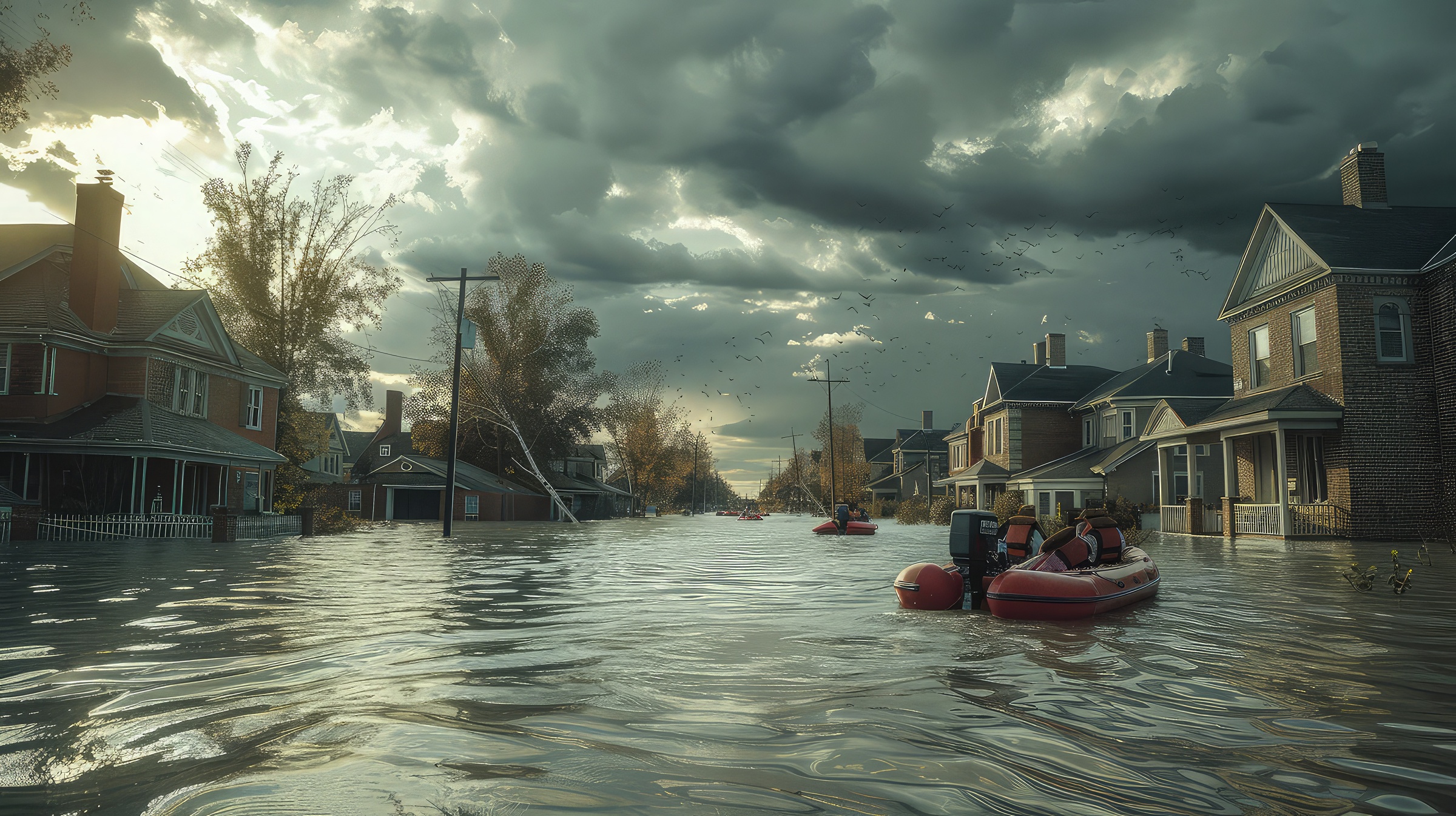
Flooded residential neighborhood with homes partially submerged and emergency responders using boats during a severe storm.
Residential area flooded: houses submerged, people stranded, rescue efforts underway

In a move that’s sparking serious debate across the real estate world, Zillow recently deleted climate risk data — including flood risk scores — from more than a million property listings after complaints from real estate agents and some homeowners that the risk scores were hurting sales.

What Happened?

In late 2024, Zillow introduced a Climate Risk Score on its listings in partnership with First Street, a climate-risk analytics firm. The tool was designed to show buyers a property’s exposure to several climate threats — including flooding, wildfires, extreme heat, and wind.

The idea was simple: climate risk now moves from the background to a core component of home-buying decisions. Surveys showed a large majority of buyers consider climate risk — especially flood risk — when evaluating properties.

But in 2025, that feature was quietly removed, with Zillow instead replacing the visible data with simple links to the First Street site. The change came after complaints that the risk rankings:

  • Appeared arbitrary” or inconsistent, and couldn’t be challenged by homeowners;

  • Dragged down property values when risks looked high;

  • Resulted in listings being harder to sell.

Some real estate agents even reported buyers canceling trips just because flood risk scores were visible.

Why This Matters — Beyond Real Estate Sales

This isn’t just about listing clicks or agent commissions.

👉 Climate risk hasn’t gone away simply because the score is no longer shown on Zillow.
Flood zones, rising seas, extreme weather events, and shifting insurance markets are very real — and they affect long-term home value and affordability.

The risk doesn’t go away; it just moves from a pre-purchase decision into a post-purchase liability,” warned First Street’s CEO. Without upfront information, buyers could move in without understanding potential future losses — then discover later that flood insurance is costly or even unavailable.

For flood insurance professionals and anyone advising buyers, this creates a perfect storm of information asymmetry:

  • Buyers may feel blindsided after closing when they learn about flood risk from local insurance quotes, not before.

  • Sellers and agents might continue to underestimate risk until it’s too late.

  • And entire neighborhoods could see unexpected drops in property values when climate-related disasters hit.

What Smart Buyers and Agents Should Do

Even without visible climate scores on Zillow, informed homebuyers still need to know their flood risk — ideally before making an offer. That means:

📌 Checking FEMA flood maps and local risk data for properties of interest.

📌 Talking with an insurance agent early about flood insurance cost and availability — before you fall in love with a home.

📌 Considering long-term environmental and insurance costs as part of the total cost of ownership.

Flood risk isn’t a widget or a score; it’s a measurable exposure that can lead to higher premiums, mandatory mitigation, and even denial of coverage in some zones. When this information is withheld or buried, buyers are the ones who lose.


Flood Insurance Friday: Why Everyone Should Have Flood Insurance — Even If You’re Not in a Flood Zone

Storm clouds gathering over a quiet city street with wet pavement, symbolizing how flooding can happen anywhere, even in unexpected places.
Floods don’t always start with disaster — sometimes they start with a quiet storm and a wet street. Protect your home before the water rises.

Let’s get something out of the way — floods don’t care about flood zones.

If water comes, it’s not going to stop at a line on a FEMA map.
And yet, every week, I talk to homeowners, lenders, and realtors who say the same thing:

“We’re not in a flood zone, so we don’t need flood insurance.”

That line has probably cost more families money, stress, and heartbreak than any storm ever has.


Here’s the Truth: Every Property Is in a Flood Zone

What most people don’t realize is that FEMA flood maps are risk-based, not risk-free.
Zones are labeled based on probability, not possibility.

So when someone says “I’m not in a flood zone,” what they really mean is:

“I’m in a lower-risk zone — but it can still happen.”

According to FEMA, over 25% of all flood claims come from properties outside high-risk flood zones.
That’s one out of every four homes that thought they were safe.


Rain Doesn’t Read Maps

Floods don’t only come from hurricanes or rivers.
They come from heavy rainfall, clogged drains, snowmelt, broken pipes, and new construction that changes water flow.

You can live on top of a hill and still flood because the street drain backs up.
You can live miles from the coast and flood because the ground saturates faster than it drains.

If water can find a way — it will.
That’s why the smartest homeowners protect themselves before the water shows up.


The Cost of Being Wrong

Let’s talk numbers for a second.
One inch of water in your home can cause $25,000 in damage.

And if you don’t have flood insurance, none of that is covered by your homeowner’s policy.
Homeowners insurance covers fire, theft, wind, hail — but not flood.

So, you can save a few hundred dollars by skipping flood insurance, but risk tens of thousands in uncovered losses.
That’s not saving — that’s gambling.


The Smart Move: Private Flood Insurance

One of the biggest shifts in the market right now is how affordable private flood insurance has become.
At Good Good Flood, we shop both FEMA (NFIP) and private flood programs to find the most competitive rate.

Many of our clients who live in low- or moderate-risk zones pay as little as $250–$400 a year for coverage that could save them $100,000 or more.

That’s peace of mind for less than a dollar a day.


You Don’t Need to Be Scared — You Just Need to Be Smart

Flood insurance isn’t about fear.
It’s about being responsible and realistic.

If you own a home, you’re protecting your biggest investment.
You insure your car, your health, your phone — why not your foundation?

At Good Good Flood, we believe flood insurance isn’t just for people in special flood hazard areas.
It’s for everyone who wants to protect what they’ve built — and the people they built it for.


The Takeaway

You don’t have to wait for a lender to require flood insurance.
You don’t need to see your neighbor’s house underwater to take it seriously.

You just need to decide that your home, your peace of mind, and your financial security are worth protecting.

Floods can happen anywhere — but only the prepared recover fast.

That’s why we’re Good Good.